
EVERYDAY PREVENTION
Fewer opportunities.
Earlier warnings.
Small routines can reduce food, water and shelter for pests—and make a developing problem easier to notice.
Discuss your property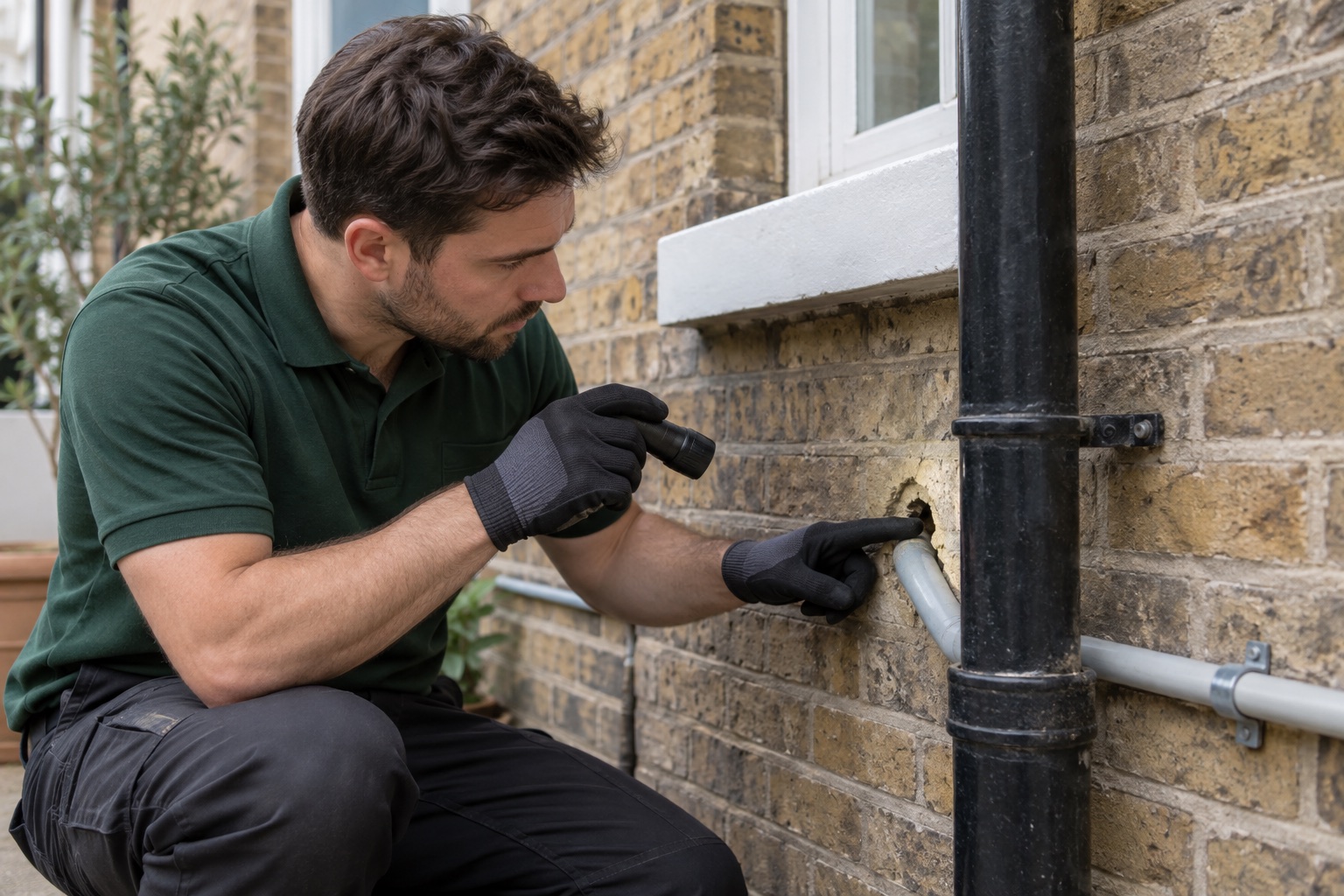
THINK AROUND THE BUILDING
Four places to start.
These checks support prevention. They do not replace an assessment of active activity or treatment-specific advice.
- Food & waste
- Keep suitable foods in closed containers, clear spills and crumbs, and avoid leaving pet food out longer than needed. Close bin lids and agree responsibility for shared waste areas.
- Water & maintenance
- Report leaking plumbing, damaged doors, broken vents and visible gaps. Observe from a safe position: do not climb, dismantle fittings or handle damaged electrical cables.
- Storage & incoming items
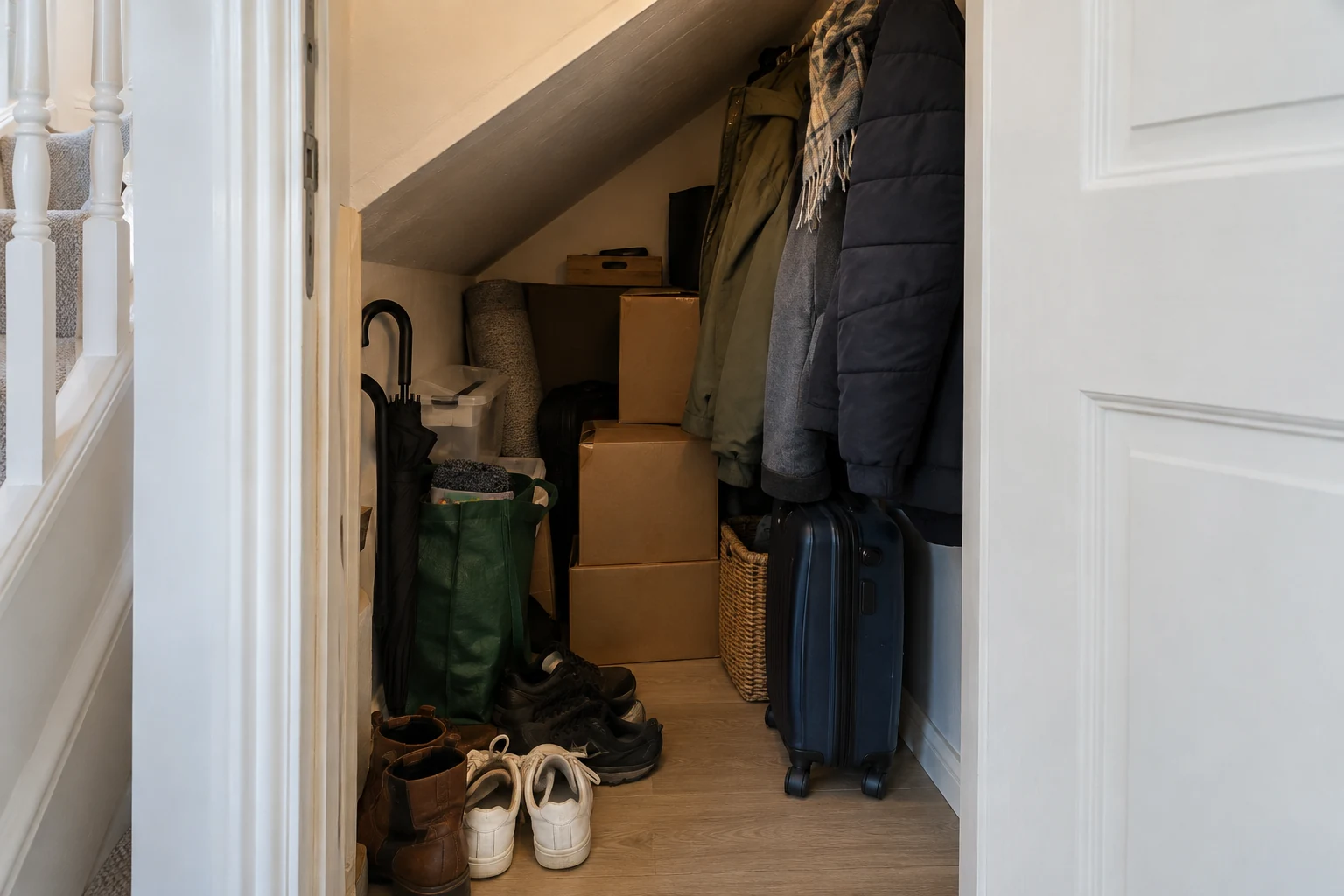
- Organised storage makes accessible edges easier to inspect. Check incoming packaging and second-hand furniture; seek advice before moving possibly affected belongings elsewhere.
- Records & communication
- Note where and when you notice noises, sightings or damage. In shared buildings, agree who receives reports, arranges access and authorises repairs.
MAKE SPACE TO NOTICE
Storage should not
hide the signs.
Accessible edges and orderly cupboards help you spot a change before it becomes easy to overlook.
Do not touch suspected droppings or approach nests to investigate. Where signs are already present, preserve useful observations and ask what should be moved or cleaned before inspection.
YOUR NEXT STEP
Tell us what you have noticed.
Share the signs and your property address. We will discuss the work, price and availability before you book.
Prefer email? enquiries@lincolnshirehomes.co.uk